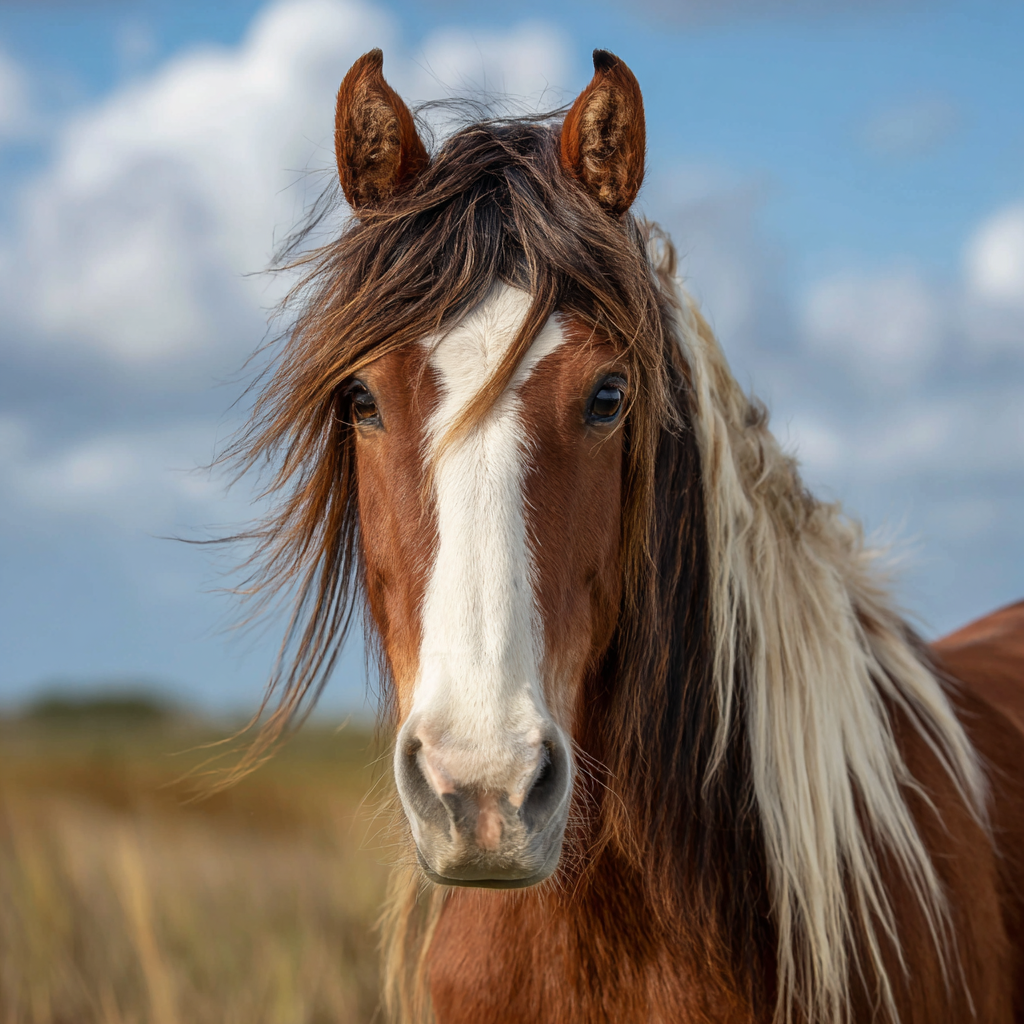
How Horses Read Human Emotion

Research shows horses can read human emotion through facial expression, voice, and overall behavior, and they respond more strongly to familiar people and to negative cues such as anger. Studies also suggest horses use cross-modal signals to detect mismatches and may need full context, not faces alone, to interpret emotion.

This post also notes that humans are much less accurate at reading horse emotions, especially positive ones. It uses this research to explain why a horse may react to a person’s tension, calm, or inconsistency in everyday barn interactions.


How Horses Read Human Emotion

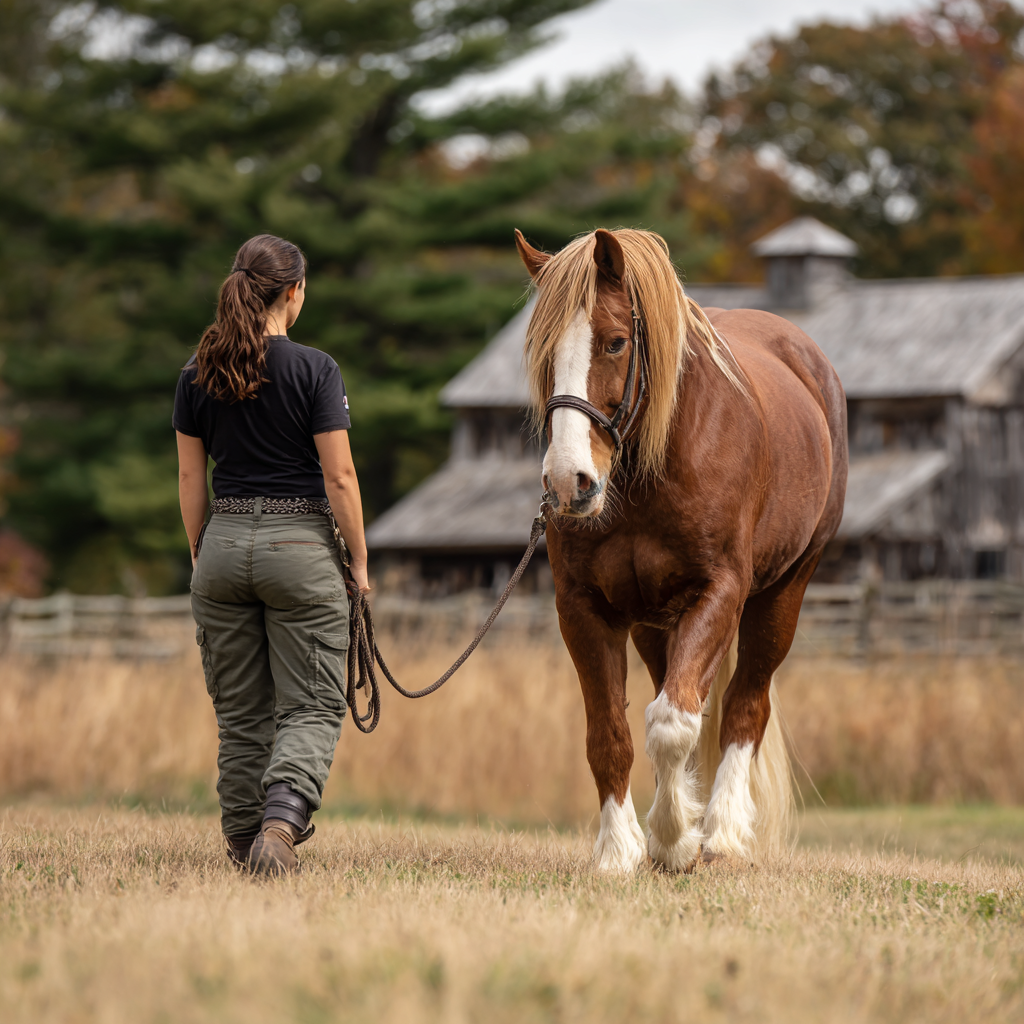
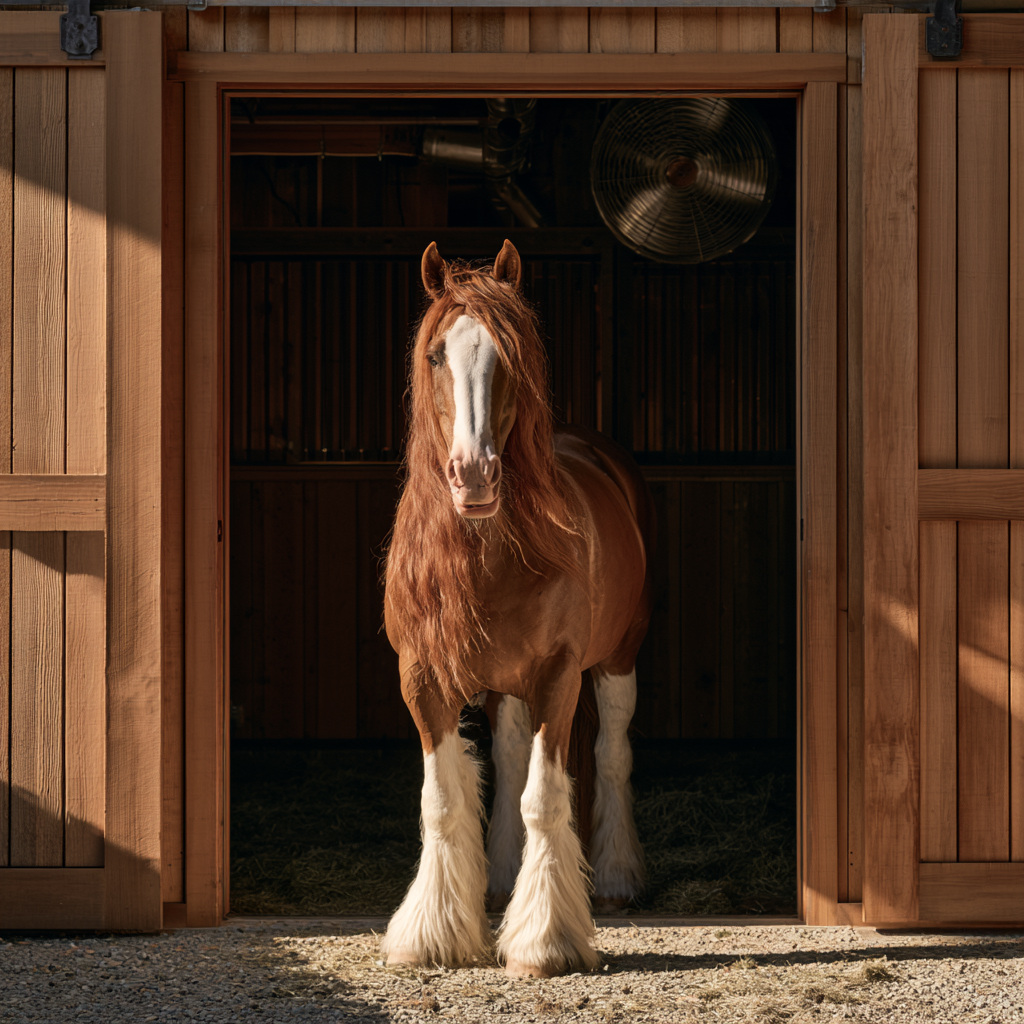
Walk into the barn on a rough day and your horse knows. You haven’t said a word, you haven’t done anything differently, and yet something has shifted between you the moment you stepped through the door. Every experienced horse person has felt it. For a long time, we called it intuition, or sensitivity, or just “horse magic.” Turns out, researchers have been quietly building the scientific case for what horse people have known for generations, and the findings are pretty remarkable.


Your Face Tells Your Horse More Than You Think

It started with a simple experiment. Researchers at the University of Sussex showed 28 horses photographs of human faces (some smiling, some angry) and watched what happened. When the horses saw an angry face, most of them instinctively turned their heads to look at it with their left eye, and their heart rates climbed faster when viewing the angry photographs than the happy ones.1

This might sound like a quirky footnote, but it’s telling us something important about how horses process what they see. When a horse uses its left eye, that information travels to the right side of the brain, which is the side that handles threat detection and negative emotions. It’s the same neurological pattern seen in dogs when they encounter angry human faces, and it suggests horses aren’t just passively registering your expression. They’re actively evaluating it, routing that information to the part of the brain that decides whether to be worried.

In other words, your horse isn’t imagining things when you walk in tense. There’s a real signal being sent, and a real cognitive process on the receiving end.


They’re Listening to Your Voice Too

Interestingly, horses don’t just read your face in isolation, they cross-reference it with the sound of your voice, and they notice when the two don’t match.

A research team in Japan tested this by showing horses a photograph of either a happy or angry human face, then playing a voice that either matched or contradicted the emotion in the photo. When the voice didn’t match the face, such as an angry voice paired with a smiling photo, horses stared at the speaker significantly longer, as if confused by the contradiction. Crucially, this effect was strongest when the voice belonged to someone the horse already knew.2 The mismatch didn’t register as strongly with a stranger’s face.

A French research group confirmed and extended this finding using a different method. They showed horses two facial expressions side by side (one joyful, one angry) while playing a non-verbal human sound expressing one of those emotions. Horses consistently looked longer at the face that didn’t match the sound they were hearing, suggesting they had formed an expectation and were surprised when it wasn’t met.3 They also found that horses physically responded to the emotional tone of what they heard. The horses were more alert and tense during angry sounds, more relaxed during joyful ones, with measurable differences in heart rate to match.

Put these studies together and a clear picture emerges. Your horse is simultaneously reading your face and listening to your voice, comparing the two, and reacting to what they find. They even seem to build an emotional profile of people they know well, learning what their happy voice sounds like, what their stressed voice sounds like, and noticing when the expression and the tone aren’t telling the same story.


But It’s Not Just About the Face

This is where the science takes a genuinely surprising turn, and where it becomes more useful for horse people.

In 2026, a team of Italian researchers decided to test exactly how much of horses’ emotional perception depends on the face alone. They used an android robot called FACE, a remarkably lifelike machine capable of displaying neutral, happy, angry, and surprised expressions. The researchers exposed twelve mares to it with no humans in the room. The setup was designed to isolate purely visual facial cues, stripping away everything else: no voice, no human scent, no movement, no relationship history.

The results were striking. While the horses definitely noticed the robot and showed measurable responses to its presence, they couldn’t reliably tell the difference between the emotional expressions it was displaying. The researchers concluded that visual cues alone, presented without voice, context, or the presence of a real person, weren’t enough for horses to discriminate between happy, angry, and surprised.4

Far from undermining the earlier research, this finding actually deepens it. What it tells us is that horses aren’t simply scanning faces the way we might glance at an emoji. They’re reading a complete, living, multisensory signal of face, voice, body and the history they have with the person all at the same time. The face is one piece of a much richer puzzle, and horses appear to need the whole picture to make sense of it.

This is why genuine calm works better than performed calm at the barn. Your horse isn’t just checking your expression, they’re reading everything.


The Conversation Goes Both Ways — Sort Of

Here’s something that might be surprising. While horses appear remarkably good at reading our emotional states, we’re not nearly as good at reading theirs, especially when they’re happy.

Researchers in France recruited 930 people and showed them photographs of horse faces captured in eight different situations (some stressful, some pleasant) and asked them to identify what the horse was feeling. People were pretty good at identifying negative emotions such as social isolation and sudden frightening stimuli which the participants correctly identified as negative feelings by over 90% of participants. But positive emotions were a completely different story. A horse being groomed, which is an experience most horses love, was correctly identified as positive by only 42% of participants. A horse heading toward a food bucket came in at just 59%.5

Even experienced horse people struggled with positive expressions, though they were somewhat better at recognizing negative ones. Negative facial expressions in horses tend to be more visually dramatic, wider eyes, more visible white sclera, higher tension, while positive states are often subtle and easy to miss or misread. Understanding what those more subtle expressions actually look like is part of the Equine Facial Action Coding System that was developed by researchers at the University of Sussex so we can better recognize facial expressions.6


What It All Means at the Barn

Horses live alongside human emotion constantly and are clearly capable of nuanced, flexible responses to it. But it does give some concrete grounding to experiences that horse people have been describing for as long as people have kept horses.

When your horse is more reactive on days you’re anxious, that’s not coincidence. When they warm up faster on days you’re genuinely relaxed, there’s a neurological reason. When a horse you’ve just met takes time to trust you, it may partly be because they haven’t yet built that cross-reference map between your face and your voice. The familiarity effect the Japanese research team documented makes clear that a horse knowing someone makes their emotions considerably more readable.

And when you walk into the barn and feel like your horse already knows how you are feeling, they probably do.


A Note on the Science

All six studies cited in this article were read in full to write this post. The research spans 2015 to 2026, with two papers published in this year (2026). Four of the six are open access and freely available online.

References

  1. Amy Victoria Smith et al., “Functionally Relevant Responses to Human Facial Expressions of Emotion in the Domestic Horse (Equus caballus),” Biology Letters 12, no. 2 (2016): 20150907, https://doi.org/10.1098/rsbl.2015.0907. ↩︎
  2. Kosuke Nakamura, Ayaka Takimoto-Inose, and Toshikazu Hasegawa, “Cross-Modal Perception of Human Emotion in Domestic Horses (Equus caballus),” Scientific Reports 8, no. 1 (2018): 8660, https://doi.org/10.1038/s41598-018-26892-6. ↩︎
  3. Miléna Trösch et al., “Horses Categorize Human Emotions Cross-Modally Based on Facial Expression and Non-Verbal Vocalizations,” Animals 9, no. 11 (2019): 862, https://doi.org/10.3390/ani9110862. ↩︎
  4. Paolo Baragli et al., “Face to FACE® — Investigating Horses’ Perception of Facial Expressions Performed by an Android Robot,” Applied Animal Behaviour Science 300 (2026): 106998, https://doi.org/10.1016/j.applanim.2026.106998. ↩︎
  5. Romane Phelipon et al., “Humans Can Accurately Categorise Negative but Not Positive Emotional Facial Expressions in Horses,” Applied Animal Behaviour Science 296 (2026): 106901, https://doi.org/10.1016/j.applanim.2025.106901. ↩︎
  6. Jen Wathan et al., “EquiFACS: The Equine Facial Action Coding System,” PLOS ONE 10, no. 8 (2015): e0131738, https://doi.org/10.1371/journal.pone.0131738. ↩︎

History of the Gypsy Vanner

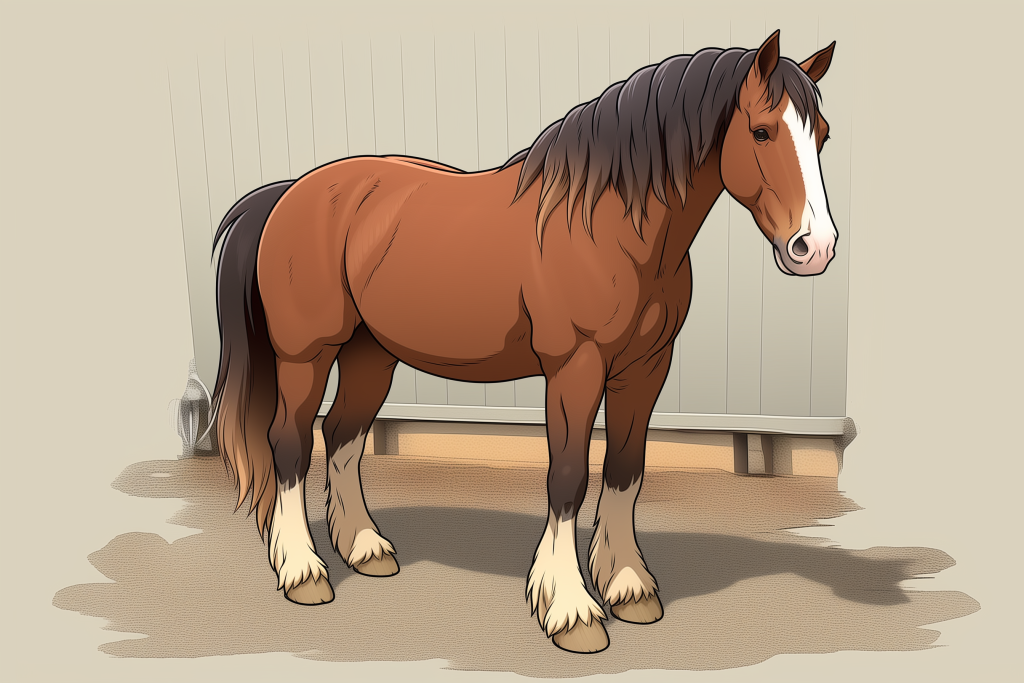
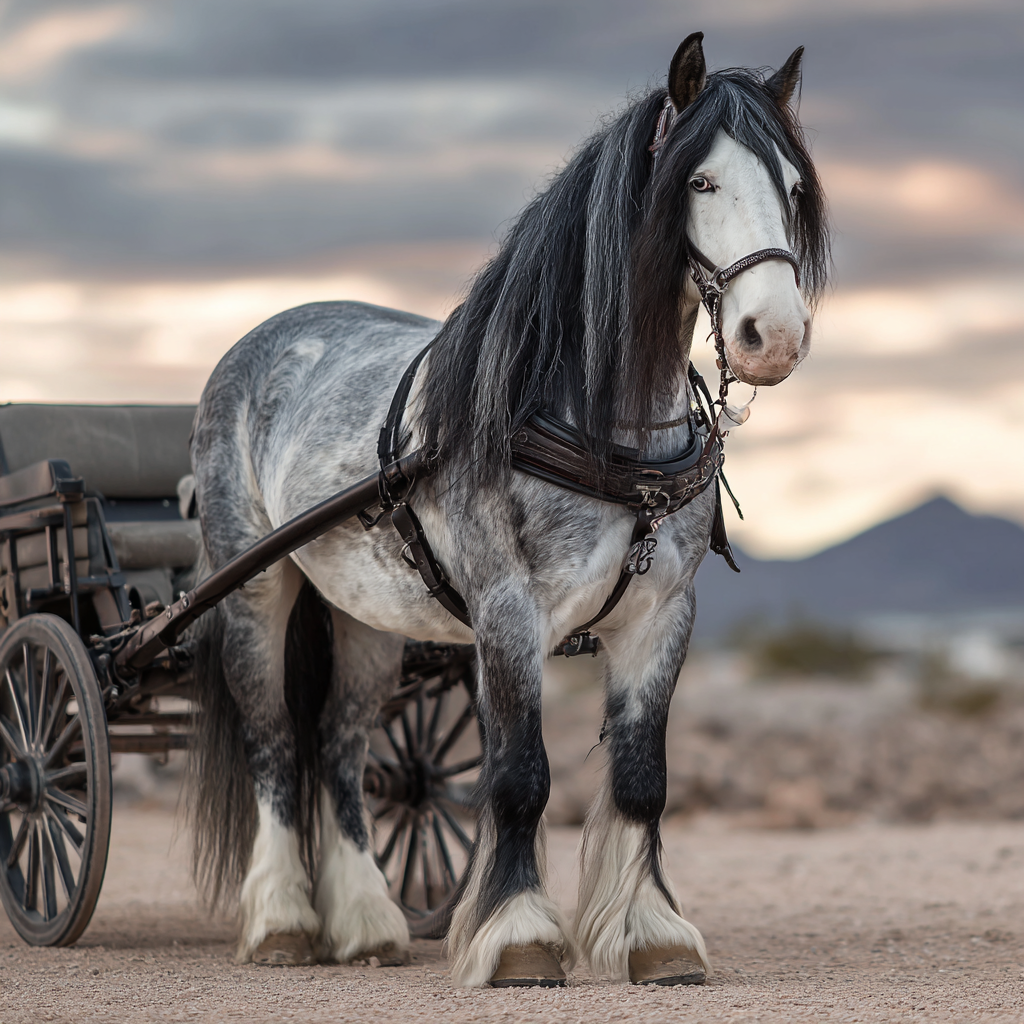
The Gypsy Vanner developed among Romani and Irish Traveller communities in Britain and Ireland as a horse suited to pulling vardos and living closely with families. Breeders favored strength, calm temperament, and a distinctive appearance, combining native British and Irish horses with draft influences such as Shires and Clydesdales.

The type remained informal for generations before gaining recognition in North America in the 1990s. Today the breed is used for driving, riding, and therapeutic work, while breeders continue to preserve the traditional traits that shaped it.

The Gypsy Vanner horse is a relatively recent recognition in formal breed registries, yet its origins are deeply rooted in centuries of lived tradition among the Romani and Irish Traveller communities of Britain and Ireland. For generations, these communities depended on horses not only for transport but also as companions and working partners that could pull their vardos, the distinctive horse drawn caravans that served as both home and symbol of identity. Within this cultural context, the development of the Gypsy Vanner was guided less by written standards and more by practical needs, aesthetic preference, and a strong sense of continuity.

Travellers sought horses that combined strength, temperament, and visual presence. A suitable animal needed to be powerful enough to pull a fully laden vardo at a steady pace over long distances, yet calm and manageable in close quarters, often around children and within encampments. Equally important was appearance. A well turned out horse reflected pride and status, and distinctive features such as abundant feathering on the lower legs, a full mane and tail, and striking coat patterns were deliberately selected. Over time, these preferences shaped a consistent type.

The foundation of the breed likely involved crosses between native British and Irish horses and heavier draft breeds. Shires and Clydesdales contributed bone, size, and feathering, while smaller cobs and ponies added agility, endurance, and a more compact frame. Selective breeding within Traveller communities refined these traits into a horse that was both functional and visually distinctive. The result was an animal of moderate height, substantial build, and a notably gentle disposition, often described as willing and intelligent.

Despite its long development, the Gypsy Vanner remained largely unknown outside Traveller culture until the late twentieth century. In the 1990s, interest from enthusiasts in North America led to the formal recognition of the breed. Registries were established, and the name Gypsy Vanner was adopted to describe these horses in a way that acknowledged their heritage while presenting a coherent identity to the wider equestrian world. This transition marked a shift from a culturally embedded type to an internationally recognized breed.

Since then, the Gypsy Vanner has gained popularity for both its appearance and temperament. It is now seen in a variety of roles, including driving, riding, and therapeutic work. Its calm nature and adaptability make it especially valued in settings that require reliability and close human interaction. At the same time, efforts to preserve the traditional characteristics of the breed continue, as breeders seek to maintain the balance of strength, beauty, and temperament that defined its origins.

The history of the Gypsy Vanner is therefore not only a story of selective breeding but also one of cultural continuity. It reflects the priorities and values of the communities that shaped it, where utility and aesthetics were inseparable and where the relationship between human and horse was central to daily life. Even as the breed has entered a global context, it carries with it the imprint of that heritage, embodied in both its physical form and its enduring temperament.

Pre 18th Century
The ancestors of the Gypsy Vanner emerge indirectly through native horses of the British Isles and Ireland. These include small cobs, ponies, and early draft types shaped by regional agricultural and transport needs.

18th to 19th Century
Romani and Irish Traveller communities begin selectively breeding horses suited for pulling vardos. Emphasis is placed on strength, tractability, and distinctive appearance. Early crosses likely include Shire and Clydesdale bloodlines combined with smaller native stock. Selection remains entirely functional and cultural rather than formalized.

Late 19th Century to Early 20th Century
The type becomes more consistent within Traveller communities. Horses display increasing feathering, compact but powerful builds, and piebald or skewbald coat patterns. These animals are not recognized as a formal breed but are clearly identifiable as a distinct type within their cultural context.

Mid 20th Century
Mechanization reduces reliance on horse drawn transport in wider society, but Traveller communities continue traditional breeding practices. The Gypsy Vanner type is preserved largely through cultural continuity rather than institutional support.

1970s to 1980s
Selective breeding intensifies within some Traveller families, further refining the aesthetic traits now strongly associated with the breed, including abundant feathering and a calm, family suitable temperament.

Early 1990s
The horses attract attention outside the United Kingdom and Ireland. American enthusiasts, most notably Dennis Thompson, begin importing these horses and documenting their characteristics.

1996
The Gypsy Vanner Horse Society is established in North America. The term “Gypsy Vanner” is formally adopted to define the breed for registry and promotion purposes.

Late 1990s to Early 2000s
Breed standards are codified. Additional registries emerge internationally, including the Gypsy Cob Society, which uses alternative naming conventions but reflects the same foundational type.

2000s to Present
The Gypsy Vanner gains global recognition. The breed is used in driving, riding, and therapeutic settings. Ongoing efforts focus on maintaining traditional characteristics while adapting to modern equestrian disciplines.

Gypsy Vanner Horses; the Science of Feeling Calm

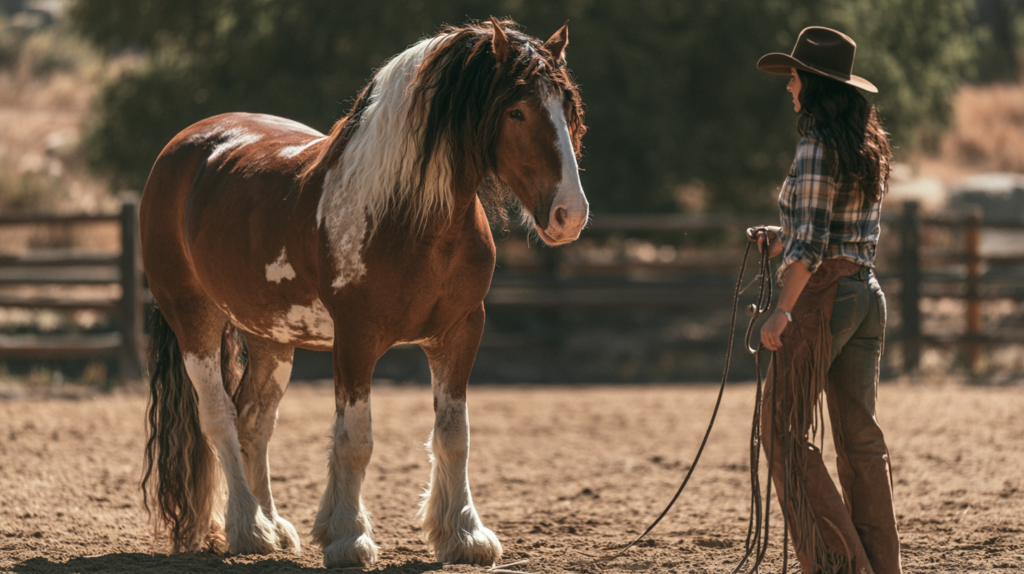
Gypsy Vanner horses are presented as especially well suited to equine-assisted therapy because their calm, low-reactive temperament and tolerance for close human contact may support stress reduction and emotional regulation. The text links this to parasympathetic activation, lower cortisol, and a stronger sense of safety and grounding.

It also frames the breed’s history of selection for composure around people as a form of co-regulation. In this view, the horse’s nonverbal, stable presence can help stabilize human emotions through close, embodied interaction.

The Gypsy Vanner’s notably docile temperament, high tolerance for human proximity, and low reactivity make it particularly suited to inducing parasympathetic responses in humans. Studies in equine assisted therapy have shown reductions in cortisol levels, improvements in emotional regulation, and enhanced feelings of safety and grounding, especially among individuals with anxiety, trauma histories, or neurodivergent profiles.

What distinguishes the Gypsy Vanner within this framework is not merely that it participates in these outcomes, but that its selectively bred traits amplify them. Traveller communities historically prioritized horses that could remain calm in close domestic environments, often surrounded by children and constant activity. This long selection for composure and affiliative behavior aligns closely with what contemporary psychology identifies as co regulation, where a calm, responsive presence helps stabilize another nervous system.

From a theoretical perspective, this topic intersects with research in biophilia, attachment theory, and somatic regulation. The horse functions as a non verbal, highly perceptive partner that mirrors human affect without judgment or linguistic complexity. The Gypsy Vanner, by virtue of its temperament, may enhance this mirroring effect in a way that feels particularly safe and accessible.

In environments saturated with cognitive load and digital stimuli, interactions with a Gypsy Vanner offer a form of embodied presence that is increasingly rare. The horse does not respond to abstraction or performance, but to posture, breath, and emotional congruence. This creates a grounding feedback loop that many therapeutic modalities attempt to cultivate through more abstract means.